
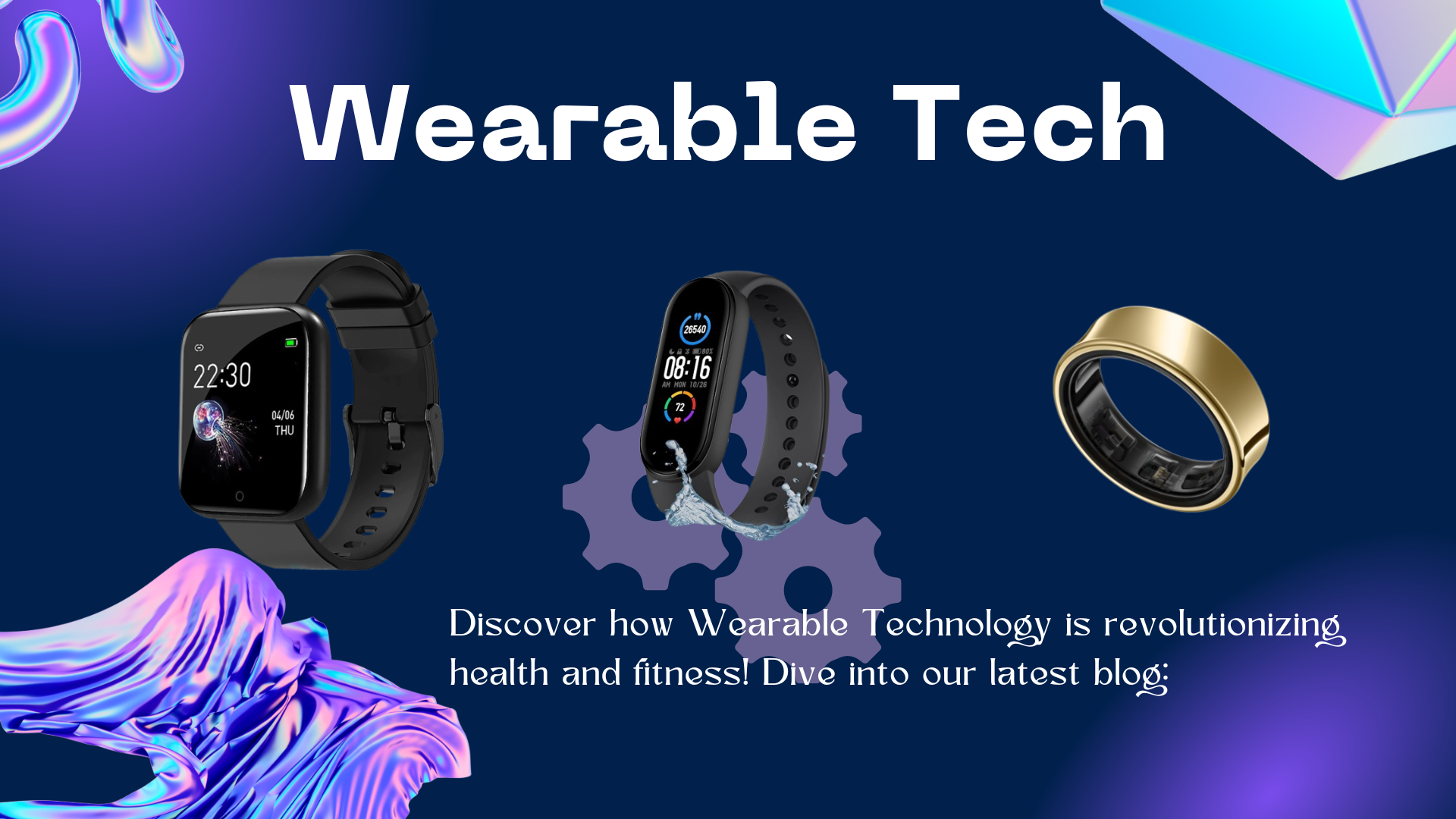
In recent years, wearable technology has exploded onto the scene, taking personal fitness to a whole new level. From tracking daily steps to monitoring heart health, wearables like smartwatches, fitness bands, and even the upcoming smart rings have become integral in helping people stay on top of their health goals. This blog will delve deep into how these devices are redefining personal fitness, what advancements they bring to the table, and how they help users monitor crucial health metrics like ECG (electrocardiogram), blood oxygen levels, and sleep patterns.
We’ll also explore the future of wearables, including Samsung’s upcoming smart ring, which promises to take health monitoring to the next level. But before we dive into the future, let’s take a step back and understand how wearables have evolved and their current impact on personal fitness.
A Brief History of Wearable Technology
The journey of wearable tech didn’t start with smartwatches or fitness bands; it began much earlier. Remember the simple pedometers that tracked your steps? While primitive compared to today’s technology, pedometers were among the first wearables designed to monitor fitness. Fast forward to the present day, and wearable tech has evolved into sophisticated devices that not only track your physical activity but also analyze your health in real time.
Fitbit, founded in 2007, was one of the first companies to introduce modern fitness trackers. What started as a clip-on device to track steps has now become a robust ecosystem of health monitoring devices capable of tracking everything from your heart rate to your sleep cycles. Meanwhile, Apple revolutionized the market with its Apple Watch, which integrated fitness tracking with everyday smartwatch functionalities like messaging, calls, and app integration. Today, almost every major tech company—from Samsung to Garmin—offers its version of a health-monitoring wearable.
But the question remains: how are these devices truly impacting personal fitness?
How Wearables Are Redefining Personal Fitness
1. Real-Time Health Monitoring
One of the most significant advantages of wearables is their ability to provide real-time health data. Whether you’re out for a run, at the gym, or even sitting at your desk, your smartwatch or fitness band is constantly collecting data. Metrics like heart rate, calories burned, and even blood oxygen levels are displayed right on your wrist. This real-time monitoring allows users to adjust their workouts or daily activities based on their health status.
For example, if your wearable detects that your heart rate is too high during a workout, it can prompt you to slow down and take a break. Conversely, if it detects that you’re not pushing yourself hard enough, it can encourage you to step up the intensity. This personalized feedback loop is what makes wearable tech so powerful in personal fitness.
2. ECG Monitoring
Electrocardiogram (ECG) monitoring is one of the most groundbreaking advancements in wearable technology. Traditionally, an ECG test would require a visit to the hospital, where electrodes are attached to your chest to measure the electrical activity of your heart. Now, thanks to advancements in wearables, devices like the Apple Watch and Samsung Galaxy Watch can perform an ECG test on your wrist.
With just a tap, users can measure their heart’s rhythm and detect signs of atrial fibrillation (AFib), a potentially life-threatening condition. This feature is particularly useful for people with known heart conditions or those who are at risk, allowing them to stay informed about their heart health without frequent doctor visits.
While it’s important to note that these devices are not meant to replace professional medical advice, the ability to have a rudimentary ECG on your wrist is a game-changer for heart health monitoring.
3. Blood Oxygen Monitoring (SpO2)
Another key feature that has made its way into wearables is blood oxygen monitoring or SpO2 tracking. Devices like the Fitbit Charge 5, Apple Watch Series 6, and the Samsung Galaxy Watch 4 have built-in sensors that can measure the level of oxygen in your blood. Why is this important? Your blood oxygen level is a critical indicator of how well your lungs are delivering oxygen to your bloodstream, which can be especially useful for athletes, climbers, and individuals with respiratory conditions.
For example, during intense physical activity, your wearable can tell you if your oxygen levels are dropping, allowing you to take necessary action—whether that means taking a break or adjusting your breathing techniques. Similarly, people with conditions like sleep apnea can use blood oxygen monitoring to identify disruptions in their breathing patterns while they sleep.
4. Sleep Tracking
Speaking of sleep, wearables have also revolutionized how we understand and improve our sleep patterns. Devices like the Fitbit Sense and Oura Ring offer detailed sleep analysis, breaking your sleep down into stages like light sleep, deep sleep, and REM sleep. These devices can detect interruptions in your sleep, how long you’re spending in each stage, and even offer tips to improve your sleep quality.
This data is invaluable for people struggling with insomnia or those simply looking to improve their overall well-being. Since poor sleep has been linked to numerous health issues—like obesity, heart disease, and cognitive decline—tracking your sleep patterns can lead to better overall health.
5. Guided Workouts and Fitness Challenges
Fitness isn’t just about data—it’s also about motivation. Wearables have tapped into this by offering guided workouts, fitness challenges, and community features. For instance, the Apple Watch has daily fitness goals that encourage users to close their rings by reaching specific activity metrics like calories burned, minutes exercised, and standing time.
Some wearables even offer personalized workout plans based on your fitness level and goals. Whether you want to train for a marathon, lose weight, or just get more active, your wearable can guide you every step of the way. Additionally, fitness challenges allow users to compete with friends or family, adding a social element that motivates users to stay consistent.
What Technology is Behind Wearable Health Devices?
Wearable health devices are marvels of modern technology, incorporating a range of sensors and processing algorithms to deliver real-time, accurate health data. These devices go beyond simple activity tracking and can monitor complex physiological parameters such as heart rate variability, blood oxygen levels, sleep quality, and more. To achieve this, wearable devices rely on several core technologies:
1. Optical Sensors (PPG – Photoplethysmography)
Optical sensors, particularly PPG (Photoplethysmography), are critical for monitoring heart rate and blood oxygen levels. These sensors work by emitting light (usually green or red LEDs) into the skin and measuring the amount of light that is reflected back. The reflection varies depending on how much blood is flowing through your veins, and the device uses this data to estimate heart rate and SpO2 levels.
- Heart Rate Monitoring: Optical sensors detect the change in light absorption as blood flows through the veins, calculating the intervals between heartbeats to determine heart rate.
- Blood Oxygen Monitoring: In this case, the light absorbed and reflected by oxygenated and deoxygenated blood is analyzed. Using red and infrared LEDs, the device estimates your oxygen saturation levels, providing insights into respiratory function and overall health.
2. Accelerometers and Gyroscopes
Wearable devices typically use accelerometers and gyroscopes to track motion and orientation. These sensors detect movement patterns and can differentiate between actions like walking, running, and even sleep stages based on how the body moves.
- Accelerometer: Measures acceleration in multiple directions. For example, in step tracking, an accelerometer detects the vertical motion of your body while walking or running.
- Gyroscope: Measures rotational movement, allowing the device to track the position and orientation of your body in real time. This is important for activities that require a change in posture or movement, such as certain yoga poses or gym exercises.
3. ECG Sensors (Electrocardiogram)
In high-end wearables like the Apple Watch or Samsung Galaxy Watch, ECG sensors have become a key health feature. This sensor measures the electrical activity of the heart to detect arrhythmias and atrial fibrillation (AFib).
- How It Works: Users typically place a finger on the watch crown (or another conductive area), creating a circuit that allows the watch to measure the electrical signals of the heart. These signals are then analyzed for irregularities, providing users with important data about their heart health.
4. Bioimpedance Sensors
Bioimpedance sensors are relatively new in wearable devices but are rapidly gaining popularity. These sensors measure the body’s resistance to a small electrical current to estimate metrics like body fat percentage, muscle mass, and hydration levels.
- Samsung Galaxy Watch 4: For instance, includes a bioimpedance sensor that allows users to measure body composition. It sends an electrical current through the body, and based on the resistance it encounters, calculates the ratio of fat to muscle.
5. Temperature Sensors
Temperature sensors are starting to appear in wearables as well. For instance, the Apple Watch Series 8 introduced skin temperature sensors that are useful for tracking menstrual cycles, sleep patterns, and general health. These sensors can detect subtle changes in body temperature, providing valuable insights into conditions like fevers or stress.
How to Build Devices Like Wearables
Creating a wearable device requires a combination of hardware design, sensor technology, data analytics, and user experience optimization. Here’s a breakdown of the essential skills and steps required to build a wearable health device:
1. Understanding Hardware Components
- Microcontrollers: Wearables require compact, energy-efficient microcontrollers that can process sensor data and communicate with external devices. Popular microcontrollers for wearables include ARM Cortex-M series processors, which balance performance with low power consumption.
- Sensors: As detailed earlier, wearables use various sensors like accelerometers, gyroscopes, optical sensors, and bioimpedance sensors. You need expertise in integrating these sensors with your device’s architecture and ensuring they collect accurate data.
- Connectivity: Wearable devices must communicate with smartphones, cloud platforms, or other connected devices using technologies like Bluetooth Low Energy (BLE), Wi-Fi, or NFC for data transfer.
2. Data Processing and Algorithms
- Signal Processing: Raw data collected from sensors is often noisy and needs to be filtered and processed to produce meaningful results. Expertise in signal processing algorithms (e.g., noise reduction, data smoothing) is essential for making wearable devices accurate.
- Machine Learning: Many wearables use machine learning algorithms to detect patterns in user behavior and health data. This is especially important for predictive analytics, such as detecting early signs of illness or fatigue.
3. Software Development
- Embedded Systems: The core of any wearable device is its embedded software, which manages sensor inputs, processes data, and communicates with external devices. Engineers must develop highly efficient, real-time operating systems that work within the device’s constraints (e.g., low power, limited memory).
- Mobile App Integration: Most wearables connect to mobile apps for data visualization and advanced analytics. Expertise in iOS and Android app development is crucial to create a seamless user experience.
4. User Interface Design
Wearables need a user-friendly interface that displays health metrics in an easily understandable way. Expertise in UI/UX design ensures that users can interpret the data quickly and take appropriate action based on their health status.
5. Compliance with Health Regulations
If your device monitors health metrics like heart rate or ECG, you’ll need to comply with regulations like the FDA (Food and Drug Administration) or CE marking in Europe. This process involves rigorous testing and validation to ensure that your device meets safety and accuracy standards.
Breaking Down Popular Wearables
Let’s delve into the detailed description and working of the three most prominent wearable health devices: smartwatches, fitness bands, and Samsung’s upcoming smart ring.
1. Smartwatches
A smartwatch is a multifunctional device that sits on your wrist, offering a wide range of features that extend beyond fitness tracking. While early versions focused on notifications and connectivity, modern smartwatches have become full-fledged health monitoring systems. Like Boat Smartwatch, Titan, and Noise etc.
Features of Smartwatches:
- Health Monitoring: Includes heart rate monitoring, ECG, blood oxygen tracking, and stress level detection. Devices like the Apple Watch Series 8 even include skin temperature monitoring.
- Activity Tracking: Track steps, calories burned, distance, and active minutes. Smartwatches often come with preloaded workout modes (e.g., running, cycling, swimming).
- Sleep Tracking: Detailed insights into sleep quality, REM cycles, deep sleep stages, and disturbances during sleep.
- GPS and Navigation: Integrated GPS allows you to track your route and distance during outdoor activities like running or cycling.
- Notifications and Connectivity: Connects to your smartphone, allowing you to receive calls, texts, and app notifications directly on your wrist.
Working of Smartwatches:
Smartwatches rely on an array of sensors, communication chips (Bluetooth, GPS), and software to operate efficiently. Here’s how they work:
- Sensors continuously monitor physiological and environmental data (heart rate, temperature, etc.). This data is processed in real time by the device’s microcontroller.
- Data Analysis: The smartwatch uses built-in algorithms to analyze the collected data and provide insights. For example, heart rate variability is calculated by analyzing the time between successive heartbeats.
- Smart Features: Smartwatches run lightweight operating systems (e.g., watchOS, Wear OS) to manage phone connectivity, notifications, and third-party apps.
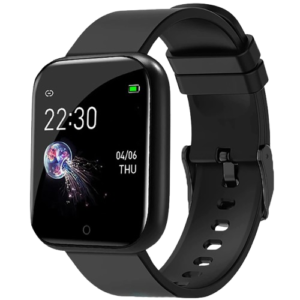
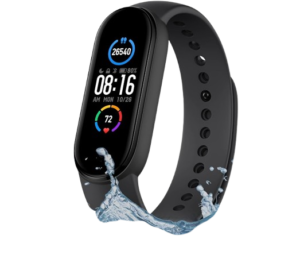
2. Fitness Bands
Fitness bands, or activity trackers, focus primarily on tracking fitness-related metrics like steps, calories, heart rate, and sleep quality. Unlike smartwatches, they are more fitness-centric and generally do not have the advanced smart features like calls or app notifications.
Features of Fitness Bands:
- Heart Rate Monitoring: Continuous monitoring of your heart rate during physical activity and rest.
- Step Counting: Tracks steps taken throughout the day and calculates the total distance walked or run.
- Sleep Analysis: Measures how long you sleep, including light, deep, and REM stages.
- Calorie Tracking: Estimates the number of calories burned based on activity and basal metabolic rate.
- Goal Setting: Set daily activity goals (e.g., 10,000 steps) and receive notifications to stay active throughout the day.
Working of Fitness Bands:
Fitness bands use accelerometers and gyroscopes to detect motion and calculate steps. Optical sensors monitor heart rate and PPG technology for other vitals like SpO2 levels. They sync with mobile apps to display detailed health reports, and many offer basic notifications for calls and texts.
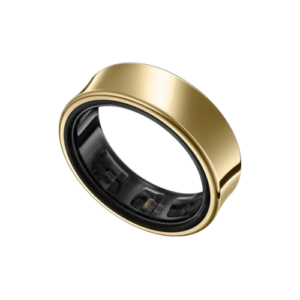
3. Samsung’s Upcoming Smart Ring
Samsung’s upcoming smart ring is one of the most anticipated wearables, expected to offer the same powerful health tracking features found in smartwatches but in a much smaller, more discreet form factor.
Expected Features of Samsung’s Smart Ring:
- Heart Rate Monitoring: Continuously tracks heart rate and alerts users of any irregularities.
- ECG: Expected to include ECG functionality for heart rhythm analysis, much like the Apple Watch.
- Sleep Tracking: Likely to offer advanced sleep monitoring with the ability to track sleep cycles, disturbances, and overall sleep quality.
- Fitness Tracking: The ring is expected to track steps, calories, and other fitness metrics.
- Temperature Monitoring: Like modern smartwatches, the smart ring might include skin temperature sensors to monitor health anomalies.
Working of the Smart Ring:
The smart ring will likely incorporate bioimpedance, optical sensors, and accelerometers to track health data. The smaller form factor presents challenges, but Samsung is expected to leverage its expertise in miniaturization to ensure accuracy. Data will likely sync with the Samsung Health app, giving users a complete view of their health.
How to Use Wearable Health Devices
1. Smartwatches:
- Pairing: Pair your smartwatch with a smartphone using Bluetooth, and sync it with the corresponding app (e.g., Apple Health, Google Fit, or Samsung Health).
- Wear it correctly: Ensure the smartwatch sits snugly on your wrist, especially for accurate heart rate and ECG measurements.
- Daily Use: Track activities, monitor vitals, and receive notifications. Use features like GPS tracking for outdoor activities like running and cycling.
- Health Monitoring: Take advantage of features like heart rate variability (HRV), blood oxygen levels, and ECG for comprehensive health tracking.
2. Fitness Bands:
- Sync with Apps: Use apps like Fitbit or Mi Fit to get detailed insights into your daily activities.
- Set Goals: Set specific health goals (e.g., steps, active minutes), and use your fitness band to monitor progress.
- Track Sleep: Wear your fitness band while sleeping to get accurate sleep data and recommendations for better sleep quality.
3. Samsung Smart Ring (Expected):
- Discreet Use: Wear it on your finger like a regular ring, and it will silently track your health metrics throughout the day and night.
- Sync with Samsung Health: Use the Samsung Health app to view real-time data and analyze your health trends over time.
- Use for Fitness: Track activities like walking, running, and sleep with minimal interference in your daily life due to its compact size.
Conclusion
Wearable technology is no longer just about counting steps or tracking basic fitness metrics. It has evolved into a powerful tool for personal health monitoring, providing users with real-time insights into their well-being through features like heart rate monitoring, ECG, blood oxygen measurement, sleep analysis, and more. Devices like smartwatches, fitness bands, and the upcoming Samsung Smart Ring are at the forefront of this revolution, making it easier for individuals to take control of their health and fitness with precision.
From understanding the technology behind these devices—optical sensors, accelerometers, bioimpedance, and ECG monitoring—to the detailed workings of smartwatches and fitness bands, we see how wearables offer a complete picture of our health. Whether it’s tracking steps, analyzing sleep patterns, or monitoring vital signs, these devices are redefining how we manage personal fitness.
Additionally, the future of wearable tech promises even more advanced capabilities. With the advent of devices like Samsung’s Smart Ring, the focus is shifting to more compact, discreet, and highly accurate health monitoring solutions. These innovations not only make health data more accessible but also help in early detection and prevention of health issues, empowering individuals to make informed decisions about their lifestyle and well-being.
For developers and innovators, understanding the technology and processes behind wearable health devices opens the door to endless possibilities. Building such devices requires expertise in hardware, sensor integration, data processing, and user experience, and offers a unique opportunity to be at the cutting edge of healthcare technology.
Whether you’re looking to improve your personal fitness or develop the next generation of wearable health devices, the current landscape offers immense potential. As wearable tech continues to evolve, it will undoubtedly play a pivotal role in shaping the future of personalized health and fitness management.
Leave a Reply