
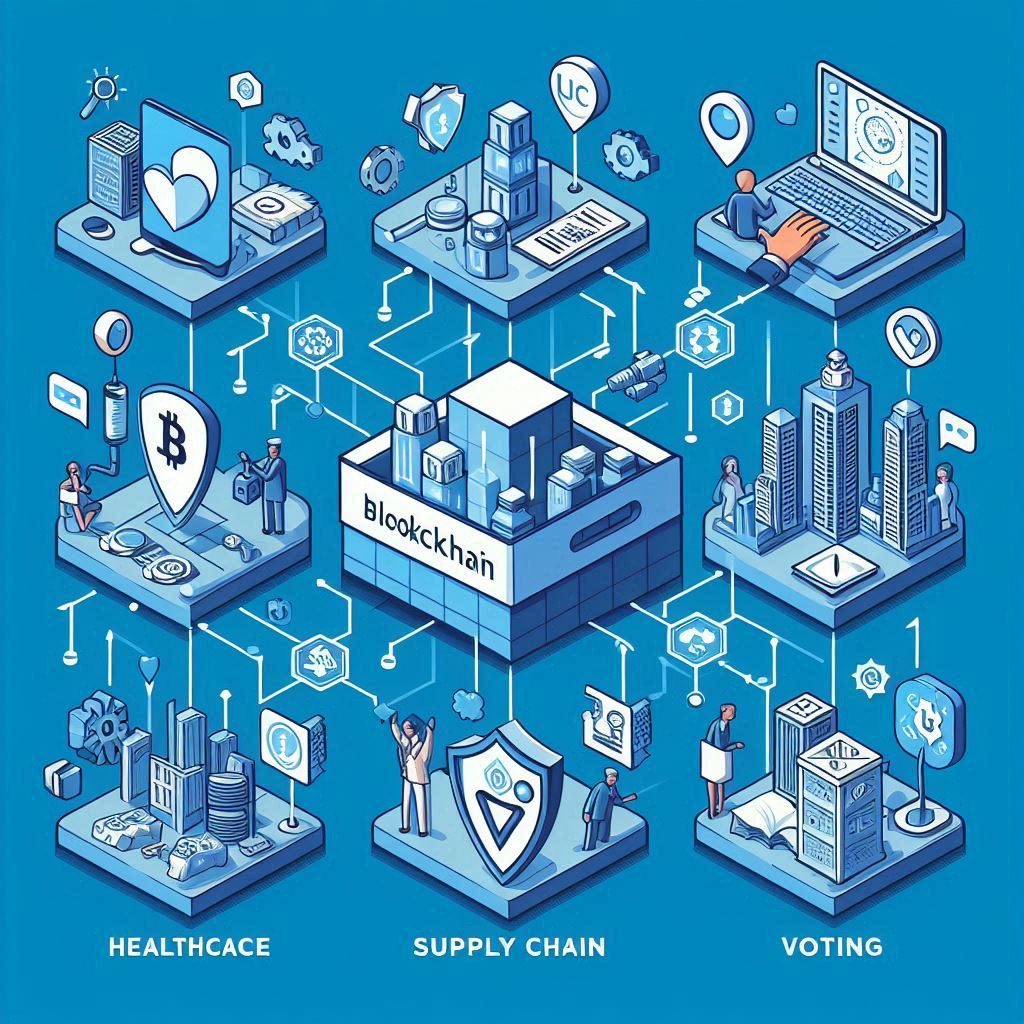
Blockchain technology, often synonymous with cryptocurrencies like Bitcoin and Ethereum, has far-reaching applications beyond digital currencies. This transformative technology promises to revolutionize various industries by enhancing transparency, security, and efficiency. In this comprehensive guide, we’ll explore the concept of blockchain, its real-world applications, future trends, and how you can get started in this exciting field. Whether you’re a tech enthusiast or looking to advance your career, this blog will provide valuable insights.
Introduction
Blockchain technology has been a buzzword for over a decade, primarily due to its association with cryptocurrencies. However, its potential extends far beyond the realm of digital currencies. Blockchain offers a decentralized, transparent, and secure way to record transactions and manage data, making it applicable in various industries. In this blog, we’ll delve into how blockchain works, its applications in different sectors, and the future trends that will shape its evolution.
What is Blockchain?
At its core, blockchain is a distributed ledger technology (DLT) that records transactions across multiple computers. This decentralized structure ensures that no single entity has control over the entire chain, enhancing security and transparency. Each block in the chain contains a list of transactions, and once a block is completed, it is added to the chain in a linear, chronological order. This immutability makes blockchain a reliable and tamper-proof technology.
Key Components of Blockchain
- Distributed Ledger: A shared ledger that records all transactions across a network of computers.
- Consensus Mechanisms: Protocols like Proof of Work (PoW) or Proof of Stake (PoS) that validate transactions.
- Cryptographic Security: Encryption techniques that ensure the integrity and security of data.
- Smart Contracts: Self-executing contracts with the terms of the agreement directly written into code.

Real-World Applications of Blockchain
Blockchain technology is being adopted across various sectors, each leveraging its unique properties to solve industry-specific problems. Here are some notable applications:
Supply Chain Management
Blockchain provides transparency and traceability in supply chains, ensuring that products are ethically sourced and counterfeit goods are eliminated. Companies like Walmart and IBM are using blockchain to track food products from farm to table, ensuring safety and quality.
Healthcare
In healthcare, blockchain is used to securely store and share patient records, ensuring data integrity and privacy. It also facilitates drug traceability, preventing counterfeit medications from entering the market. Projects like MedRec and IBM’s Blockchain Health Utility Network are pioneering these applications.
Finance and Banking
Beyond cryptocurrencies, blockchain is revolutionizing traditional finance by enabling faster, cheaper, and more secure transactions. It simplifies cross-border payments, reduces fraud, and streamlines KYC (Know Your Customer) processes. Major banks like JPMorgan and financial institutions like the Australian Securities Exchange are integrating blockchain into their operations.
Voting Systems
Blockchain can enhance the integrity of voting systems by providing a transparent and tamper-proof platform for casting and counting votes. This application can potentially eliminate electoral fraud and increase voter trust. Projects like Voatz and Follow My Vote are exploring blockchain-based voting systems.
Real Estate
In real estate, blockchain is used to record property transactions, streamline the buying process, and reduce fraud. It enables tokenization of real estate assets, allowing fractional ownership and easier transfer of property rights. Companies like Propy and Ubitquity are leading the way in blockchain real estate applications.
Intellectual Property
Blockchain provides a secure platform for managing intellectual property rights, ensuring that creators receive fair compensation for their work. It can track the usage and distribution of digital content like music, videos, and art. Platforms like IPwe and Ascribe are leveraging blockchain for intellectual property management.
Government Services
Blockchain can enhance the efficiency and transparency of government services by streamlining processes like identity verification, land registry, and public records management. Governments in countries like Estonia and Dubai are implementing blockchain solutions to improve public services.
Gaming Industry
Blockchain is being used in the gaming industry for creating decentralized game economies, ensuring fair gameplay, and enabling players to truly own in-game assets through NFTs (Non-Fungible Tokens). This ensures transparency and fairness, creating new economic models within games.
Education
Blockchain can be used for verifying academic credentials, creating immutable records of educational achievements, and facilitating peer-to-peer learning platforms. This can streamline the process of degree verification and enhance trust in educational qualifications.
Future Trends in Blockchain
As blockchain technology continues to evolve, several trends are emerging that will shape its future:
Integration with IoT
The Internet of Things (IoT) involves billions of connected devices that generate massive amounts of data. Integrating blockchain with IoT can enhance data security, facilitate device-to-device communication, and enable automated transactions. This combination is particularly relevant in industries like logistics, healthcare, and smart cities.
Expansion of Decentralized Finance (DeFi)
DeFi refers to financial services built on blockchain technology that operate without traditional intermediaries like banks. DeFi applications offer lending, borrowing, trading, and earning interest on digital assets. As the DeFi ecosystem grows, it is expected to democratize access to financial services and create new economic opportunities.
Advancement of Smart Contracts
Smart contracts are self-executing agreements with the terms directly written into code. Future advancements in smart contracts will focus on enhancing their security, scalability, and interoperability. These improvements will expand their use cases in areas like insurance, legal agreements, and automated compliance.
Blockchain in Digital Identity
Blockchain can provide a secure and decentralized way to manage digital identities, giving individuals control over their personal information. This application is crucial for online security, reducing identity theft, and enabling seamless authentication across different platforms.
Environmental Sustainability
As concerns about blockchain’s environmental impact grow, there is a push towards developing more energy-efficient consensus mechanisms. Proof of Stake (PoS) and other sustainable approaches are gaining traction, aiming to reduce the carbon footprint of blockchain networks.
Government Regulations
The regulatory landscape for blockchain and cryptocurrencies is evolving. Governments worldwide are developing frameworks to address issues like consumer protection, anti-money laundering (AML), and taxation. Clear and supportive regulations will foster innovation and ensure the responsible growth of blockchain technology.
for more blogs visit Blog

Challenges and Limitations of Blockchain
While blockchain offers numerous benefits, it also faces significant challenges and limitations:
Scalability Issues
Blockchain networks can experience scalability issues as the number of transactions increases. Solutions like sharding, layer 2 protocols, and improved consensus mechanisms are being developed to address these challenges.
Energy Consumption
Proof of Work (PoW) consensus mechanisms, used by cryptocurrencies like Bitcoin, consume a large amount of energy. This environmental impact is a concern, leading to the exploration of more energy-efficient alternatives like Proof of Stake (PoS).
Regulatory Hurdles
The regulatory environment for blockchain and cryptocurrencies is still evolving. Uncertainty around regulations can hinder the adoption and development of blockchain projects. Clear and consistent regulatory frameworks are needed to support innovation while ensuring consumer protection.
Complexity of Implementation
Implementing blockchain technology can be complex and requires significant technical expertise. Organizations need to invest in training and development to effectively utilize blockchain.
Case Studies of Successful Blockchain Implementations
Walmart’s Food Traceability Initiative
Walmart, in collaboration with IBM, has implemented blockchain to track the journey of food products from farm to store. This initiative enhances food safety by quickly identifying the source of contamination in case of an outbreak.
Estonia’s Digital Identity System
Estonia has developed a blockchain-based digital identity system that allows citizens to access a wide range of public services securely. This system streamlines processes like voting, banking, and healthcare.
Provenance in the Fashion Industry
Provenance, a UK-based company, uses blockchain to ensure transparency in the fashion supply chain. This allows consumers to verify the origin and authenticity of products, promoting ethical sourcing and sustainability.
How to Get Started with Blockchain
Blockchain technology is rapidly evolving and offers a multitude of opportunities for those who wish to dive into this innovative field. Whether you’re a beginner or have some technical background, there are several steps you can take to get started. Here, we’ll explore the educational resources, practical experiences, and community engagements that can help you build a strong foundation in blockchain technology.
Education and Learning
Online Courses
Online courses are a convenient way to gain structured knowledge about blockchain technology. Many reputable platforms offer comprehensive courses that cater to different levels of expertise:
- Coursera: Courses like “Blockchain Basics” and “Bitcoin and Cryptocurrency Technologies” by Princeton University provide a solid introduction to blockchain concepts and applications.
- Udemy: Offers a range of courses, from beginner to advanced levels, including “Blockchain and Cryptocurrency Explained” and “Ethereum and Solidity: The Complete Developer’s Guide.”
- edX: MIT’s “Blockchain Technologies: Business Innovation and Application” and Berkeley’s “Blockchain Fundamentals” are excellent choices for understanding the business and technical aspects of blockchain.
Books
Books provide in-depth knowledge and can be a great resource for understanding the theoretical underpinnings of blockchain technology:
- “Blockchain Basics” by Daniel Drescher: This book breaks down complex concepts into easy-to-understand language, making it ideal for beginners.
- “Mastering Blockchain” by Imran Bashir: A comprehensive guide covering blockchain theory, practice, and its future potential. This book is suitable for both beginners and those looking to deepen their technical understanding.
Communities
Joining blockchain communities can provide ongoing learning opportunities and support:
- Reddit: Subreddits like r/Bitcoin, r/Ethereum, and r/CryptoCurrency are active communities where you can find news, discussions, and resources.
- GitHub: Many blockchain projects are open-source, and you can explore their codebases, contribute to projects, and engage with developers.
- LinkedIn: Join groups such as “Blockchain Developers,” “Blockchain Technology,” and “Blockchain Professionals” to network with industry experts and stay updated on trends and job opportunities.
Practical Experience
Gaining practical experience is crucial for solidifying your understanding of blockchain technology. Here are some ways to get hands-on experience:
Projects
Starting with small projects can help you apply theoretical knowledge and build practical skills:
- Create a Simple Blockchain: Start by building a basic blockchain in Python or JavaScript. Implement features like adding blocks, validating transactions, and achieving consensus.
- Develop Smart Contracts: Learn Solidity and develop smart contracts on platforms like Ethereum. Create simple contracts that handle transactions, and then move on to more complex applications like decentralized finance (DeFi) protocols.
- Build a Decentralized Application (DApp): Combine your knowledge of blockchain and web development to build a DApp. Examples include a decentralized voting system, a peer-to-peer marketplace, or a social media platform.
Hackathons
Participating in hackathons can accelerate your learning and provide valuable networking opportunities:
- Blockchain Hackathons: Events like ETHGlobal and Gitcoin’s virtual hackathons bring together developers to work on blockchain projects. These events often provide mentorship, resources, and prizes.
- Local Meetups: Many cities host blockchain meetups where you can participate in smaller hackathons or collaborative projects. Websites like Meetup.com can help you find local events.
Internships
Internships provide hands-on experience and exposure to real-world blockchain applications:
- Blockchain Companies: Look for internships at blockchain startups or established companies that are exploring blockchain solutions. Internships at companies like ConsenSys, Ripple, or IBM Blockchain can provide valuable experience.
- Research Institutions: Some universities and research institutions offer internships or research positions focused on blockchain technology. These positions can provide a deeper understanding of the academic and theoretical aspects of blockchain.
Additional Steps to Enhance Your Blockchain Journey
Networking
Building a network within the blockchain community can open doors to new opportunities:
- Attend Conferences: Blockchain conferences like Consensus, Devcon, and Blockchain Expo are great places to learn about the latest developments and meet industry leaders.
- Join Online Groups: Participate in discussions on platforms like Telegram, Discord, and Slack, where blockchain professionals and enthusiasts gather.
Contributing to Open Source
Contributing to open-source blockchain projects can enhance your skills and visibility in the community:
- Explore Repositories: Find blockchain projects on GitHub that align with your interests. Start by fixing bugs, writing documentation, or adding new features.
- Collaborate with Others: Engage with project maintainers and other contributors to learn best practices and improve your coding skills.
Certifications
Earning certifications can validate your blockchain knowledge and make you more attractive to employers:
- Certified Blockchain Professional (CBP): Offered by the Blockchain Council, this certification covers blockchain fundamentals, development, and implementation.
- Certified Blockchain Developer (CBD): The Blockchain Training Alliance offers this certification, focusing on blockchain development and programming.

Blockchain Projects to Showcase Your Skills
Working on projects is a great way to demonstrate your blockchain skills to potential employers. Here are some project ideas:
Developing a Simple Blockchain
Create a basic blockchain using Python or JavaScript to understand its core concepts. Implement features like adding blocks, validating transactions, and achieving consensus.
Smart Contract Development
Develop and deploy smart contracts on platforms like Ethereum or Binance Smart Chain. Explore use cases like decentralized finance (DeFi), supply chain management, or digital identity verification.
Decentralized Application (DApp)
Build a DApp that interacts with a blockchain network. For example, create a decentralized voting system, a peer-to-peer marketplace, or a social media platform.
Tokenization of Assets
Tokenize real-world assets like real estate, art, or commodities using blockchain. This project can showcase your ability to integrate blockchain with traditional industries.
Blockchain for Supply Chain
Develop a blockchain-based solution for tracking products in a supply chain. Implement features like provenance tracking, quality assurance, and fraud prevention.
Career Opportunities in Blockchain
The growing adoption of blockchain technology has created numerous career opportunities. Here are some roles you can pursue:
Blockchain Developer
As a blockchain developer, you’ll design, develop, and maintain blockchain applications and systems. Skills in programming languages like Solidity, JavaScript, and Python are essential.
Smart Contract Developer
Smart contract developers specialize in writing and deploying self-executing contracts on blockchain platforms. Proficiency in Solidity and understanding security best practices are crucial.
Blockchain Architect
Blockchain architects design the architecture and infrastructure of blockchain networks. This role requires a deep understanding of blockchain protocols, consensus mechanisms, and security.
Blockchain Consultant
Blockchain consultants advise organizations on implementing blockchain solutions to address specific business challenges. Strong communication skills and industry knowledge are vital.
Cryptocurrency Analyst
Cryptocurrency analysts research and analyze digital assets, market trends, and investment opportunities. A background in finance and data analysis is beneficial.
Blockchain Project Manager
Project managers oversee blockchain projects from inception to completion, ensuring they meet objectives and deadlines. Experience in project management and blockchain technology is required.
Conclusion
Blockchain technology is poised to revolutionize various industries by providing transparent, secure, and efficient solutions. Its applications extend far beyond cryptocurrencies, impacting sectors like supply chain, healthcare, finance, and more. As the technology evolves, staying informed about future trends and gaining practical experience will be crucial for success in this dynamic field. Whether you’re looking to start a career in blockchain or deepen your understanding, this guide offers valuable insights.
For more contact us:
Leave a Reply