

DevOps is not just a buzzword; it’s a transformative practice that has redefined the landscape of software development and IT operations. This blog will explore the evolution of DevOps, explaining what it is, how to study it, key projects in DevOps, and the myriad of career options it offers.
What is DevOps?
DevOps is a set of practices that combines software development (Dev) and IT operations (Ops). Its goal is to shorten the development lifecycle and deliver high-quality software continuously. DevOps aims to foster a culture of collaboration between teams that historically functioned in silos, namely development and operations.
Key Principles of DevOps
- Collaboration: Breaking down silos between development, operations, and other stakeholders. Collaboration ensures that all teams are aligned and work towards common goals, improving efficiency and reducing misunderstandings.
- Automation: Streamlining processes to reduce manual effort and errors. Automation in DevOps includes automated testing, deployment, and monitoring, which accelerates the release cycle and ensures consistency.
- Continuous Integration/Continuous Deployment (CI/CD): Ensuring that code changes are automatically tested and deployed to production. CI/CD pipelines allow for frequent and reliable releases, reducing the risk of large-scale failures.
- Monitoring and Logging: Keeping track of system performance and user experiences to quickly identify and resolve issues. Effective monitoring and logging provide visibility into the health of applications and infrastructure, enabling proactive issue resolution.
- Infrastructure as Code (IaC): Managing and provisioning computing resources using machine-readable scripts. IaC allows for the automation of infrastructure setup and management, ensuring consistency and reducing configuration errors.
DevOps has evolved from being a niche methodology to a mainstream practice, adopted by organizations worldwide to enhance efficiency, improve software quality, and accelerate delivery times.
DevOps Culture and Mindset
A crucial aspect of DevOps is the cultural shift it promotes within organizations. DevOps is not just about tools and processes; it’s about fostering a collaborative mindset where development and operations teams work together towards a common goal.
Breaking Down Silos
One of the key challenges DevOps addresses is the separation between development and operations teams. Traditionally, these teams have had different goals and priorities. Developers focus on delivering new features quickly, while operations aim to maintain stability and uptime. DevOps encourages breaking down these silos and aligning the teams’ objectives.
Shared Responsibility
In a DevOps environment, both development and operations share the responsibility for the software’s performance and reliability. This shared responsibility ensures that everyone is invested in the application’s success and is more willing to collaborate and innovate.
Continuous Learning and Improvement
A DevOps culture promotes continuous learning and improvement. Teams are encouraged to experiment, learn from failures, and iterate on their processes. This mindset of continuous improvement is vital for adapting to changing business needs and technologies.
The Evolution of DevOps
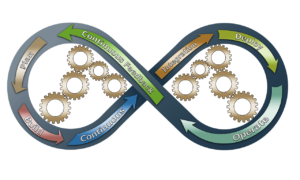
The Early Days: Pre-DevOps Era
Before the advent of DevOps, development and operations teams worked in silos. Developers wrote code and handed it over to operations for deployment. This handoff often led to misunderstandings, misconfigurations, and delays, as the operations team was not involved in the development process and vice versa.
The Birth of DevOps: Agile and Beyond
The Agile movement in the early 2000s laid the groundwork for DevOps by emphasizing collaboration, iterative development, and customer feedback. However, Agile primarily focused on the development process, leaving a gap in the deployment and operations phases.
In 2009, the term “DevOps” was popularized through conferences and blogs, emphasizing the need for a more holistic approach that included operations in the Agile framework. Patrick Debois, a Belgian consultant, is often credited with coining the term “DevOps” and organizing the first DevOpsDays conference.
The Growth Phase: Tools and Practices
As DevOps gained traction, various tools and practices emerged to support its principles. Some of the key tools include:
- Version Control Systems (e.g., Git): For tracking changes in the codebase. Version control is fundamental in DevOps for enabling collaboration and maintaining a history of code changes.
- CI/CD Pipelines (e.g., Jenkins, Travis CI): For automating testing and deployment. CI/CD tools integrate with version control systems to automate the build, test, and deployment processes.
- Containerization (e.g., Docker): For creating consistent environments across development and production. Containers package an application and its dependencies, ensuring it runs consistently in different environments.
- Orchestration (e.g., Kubernetes): For managing containerized applications. Kubernetes automates the deployment, scaling, and management of containerized applications, making it easier to handle complex environments.
- Monitoring and Logging (e.g., Prometheus, ELK Stack): For tracking application performance and logging errors. These tools provide insights into application behavior and help in identifying and resolving issues quickly.
The Modern Era: DevOps and Beyond
Today, DevOps is a critical component of modern software development practices. It has expanded to include concepts like DevSecOps (integrating security into the DevOps process) and GitOps (using Git repositories to manage infrastructure and applications).
Organizations are increasingly adopting DevOps to improve agility, reduce time-to-market, and enhance the overall quality of their software products. The rise of cloud computing, microservices architecture, and serverless computing has further accelerated the adoption of DevOps practices.
The Future of DevOps
The future of DevOps looks promising with the continuous evolution of technology and practices. Here are some trends shaping the future of DevOps:
- AI and Machine Learning: Integrating AI and ML into DevOps practices can help in predictive analysis, anomaly detection, and automating repetitive tasks.
- DevSecOps: Security will become an integral part of the DevOps pipeline, ensuring that security practices are embedded throughout the development lifecycle.
- GitOps: This approach will gain more traction, with Git serving as the single source of truth for both application and infrastructure code.
- Serverless Computing: The adoption of serverless architectures will continue to grow, simplifying deployment and scaling while reducing operational overhead.
- Hybrid and Multi-Cloud Environments: Organizations will increasingly adopt hybrid and multi-cloud strategies, requiring DevOps practices that can manage diverse environments seamlessly.
Future Trends in DevOps
As technology continues to evolve, DevOps practices and tools will also advance. Here are some future trends to watch in the DevOps space:
AI and Machine Learning in DevOps
Integrating AI and machine learning into DevOps can enhance predictive analytics, automate routine tasks, and improve decision-making processes.
Edge Computing
With the rise of IoT and edge computing, DevOps practices will need to adapt to manage distributed systems and data processing at the edge of the network.
Serverless Architectures
Serverless computing is becoming increasingly popular, offering a way to build and deploy applications without managing infrastructure. DevOps will need to incorporate practices that support serverless architectures.
DevOps for Data Science
Applying DevOps principles to data science can streamline the development and deployment of data models, improving collaboration between data scientists and engineers.

How to Study DevOps
Understanding the Fundamentals
To get started with DevOps, it’s essential to understand its core principles and methodologies. Here are some steps to begin your DevOps journey:
- Learn About Agile and Lean Principles: Since DevOps builds on Agile and Lean practices, having a solid understanding of these methodologies is crucial. Agile focuses on iterative development and customer feedback, while Lean emphasizes efficiency and eliminating waste.
- Familiarize Yourself with Key DevOps Concepts: Study CI/CD, Infrastructure as Code, containerization, and orchestration. Understanding these concepts will provide a strong foundation for implementing DevOps practices.
Online Courses and Certifications
Numerous online platforms offer courses and certifications in DevOps. Some popular options include:
- Coursera: Courses from top universities like “Introduction to DevOps” by the University of California. These courses cover the basics of DevOps, including CI/CD, monitoring, and automation.
- Udacity: Nanodegree programs in DevOps Engineering. These programs provide hands-on experience with DevOps tools and practices.
- edX: Professional Certificate in DevOps from institutions like the Linux Foundation. These certificates are recognized in the industry and can boost your career prospects.
- AWS Training and Certification: For AWS-specific DevOps practices. AWS offers a range of courses and certifications that focus on implementing DevOps practices on the AWS platform.
Books and Resources
Books are an excellent way to deepen your understanding of DevOps. Some recommended reads include:
- “The Phoenix Project” by Gene Kim, Kevin Behr, and George Spafford: A novel that illustrates the principles of DevOps through a fictional story. It’s a must-read for understanding the cultural aspects of DevOps.
- “The DevOps Handbook” by Gene Kim, Jez Humble, Patrick Debois, and John Willis: A comprehensive guide to implementing DevOps practices. This book provides practical insights and case studies from leading organizations.
- “Site Reliability Engineering” by Niall Richard Murphy, Betsy Beyer, Chris Jones, and Jennifer Petoff: A detailed look at Google’s approach to operations and reliability. It’s a great resource for understanding the principles of reliability and scalability.
Hands-On Practice
Theory alone won’t make you a DevOps expert. It’s essential to gain hands-on experience by:
- Setting Up CI/CD Pipelines: Use tools like Jenkins, GitLab CI, or GitHub Actions to automate testing and deployment. Experiment with different tools and configurations to understand their strengths and weaknesses.
- Working with Containers: Learn Docker and Kubernetes to understand containerization and orchestration. Create and manage containers, deploy applications, and scale them to handle varying loads.
- Managing Infrastructure as Code: Use Terraform or AWS CloudFormation to automate infrastructure provisioning. Write and maintain scripts to manage cloud resources, ensuring consistency and repeatability.
Real-World Case Studies
Examining real-world case studies can provide valuable insights into how different organizations have successfully implemented DevOps practices.
Netflix
Netflix is a pioneer in using DevOps to deliver high-quality streaming services. By implementing CI/CD pipelines, microservices architecture, and comprehensive monitoring, Netflix can deploy hundreds of changes daily without affecting user experience.
Amazon
Amazon’s adoption of DevOps has been instrumental in its ability to innovate rapidly. Amazon uses DevOps principles to manage its vast infrastructure, ensuring high availability and scalability.
Etsy
Etsy transitioned from a monolithic architecture to a microservices-based approach using DevOps practices. This shift allowed Etsy to increase deployment frequency and improve the stability of its platform.

Projects in DevOps
Building a CI/CD Pipeline
One of the most fundamental DevOps projects is setting up a CI/CD pipeline. This project will help you understand the end-to-end process of code integration, testing, and deployment. Here’s a basic outline:
- Version Control: Use Git for source code management. Create repositories, manage branches, and understand version control workflows.
- Continuous Integration: Set up a CI server like Jenkins to automatically run tests on code commits. Configure build jobs, automate testing, and integrate with your version control system.
- Continuous Deployment: Configure the CI server to deploy code changes to a staging environment. Set up automated deployment processes, including blue-green deployments and canary releases.
- Automated Testing: Implement unit tests, integration tests, and end-to-end tests. Use testing frameworks and tools to ensure code quality and reliability.
- Deployment to Production: Set up automated deployments to production with proper approval workflows. Implement rollback mechanisms and monitor the deployment process.
Containerizing an Application
Another critical DevOps project is containerizing an application. This involves creating Docker images for your application and using Kubernetes to manage the containers. Here’s a basic workflow:
- Dockerize the Application: Write a Dockerfile to create a Docker image of your application. Understand Docker concepts like images, containers, and volumes.
- Set Up a Kubernetes Cluster: Use a managed service like Google Kubernetes Engine (GKE) or set up a local cluster with Minikube. Learn about Kubernetes architecture, including nodes, pods, and services.
- Deploy the Application: Write Kubernetes manifests to deploy your application and manage its lifecycle. Understand deployment strategies, including rolling updates and scaling.
- Implement Monitoring: Use Prometheus and Grafana to monitor the application’s performance and health. Set up alerting and logging to ensure visibility into your application’s behavior.
Infrastructure as Code (IaC)
Managing infrastructure through code is a fundamental aspect of DevOps. Here’s how you can practice IaC:
- Choose a Cloud Provider: AWS, Azure, or Google Cloud. Understand the core services offered by these providers.
- Learn IaC Tools: Start with Terraform or AWS CloudFormation. Write and manage infrastructure as code, provisioning resources, and managing configurations.
- Provision Infrastructure: Write code to create and manage resources like virtual machines, databases, and networks. Automate infrastructure setup, ensuring consistency and scalability.
- Automate Provisioning: Integrate your IaC scripts into your CI/CD pipeline for automated infrastructure provisioning. Implement infrastructure testing and monitoring to ensure reliability.
Creating a DevOps Dashboard
A DevOps dashboard provides visibility into the health and performance of your applications and infrastructure. Here’s how you can build one:
- Data Collection: Use tools like Prometheus to collect metrics from your applications and infrastructure. Set up exporters to gather data from different sources.
- Visualization: Use Grafana to create visualizations and dashboards. Configure panels to display key metrics and set up alerts for critical events.
- Logging: Use the ELK stack (Elasticsearch, Logstash, and Kibana) to collect, parse, and visualize logs. Set up centralized logging to analyze application and infrastructure logs.
- Integration: Integrate your dashboard with other DevOps tools to provide a comprehensive view of your environment. Ensure that your dashboard is accessible and provides actionable insights.
DevOps Tools and Technologies

There are numerous tools and technologies that support DevOps practices. Understanding these tools and how they fit into the DevOps workflow is crucial for anyone looking to excel in this field.
Version Control Systems
Version control systems like Git are fundamental to DevOps. They enable teams to collaborate on code, track changes, and maintain a history of the codebase.
Continuous Integration/Continuous Deployment (CI/CD) Tools
CI/CD tools like Jenkins, Travis CI, and GitLab CI are essential for automating the build, test, and deployment processes. They ensure that code changes are automatically tested and deployed, reducing manual effort and errors.
Containerization and Orchestration
Containerization tools like Docker and orchestration platforms like Kubernetes play a significant role in DevOps. Containers provide a consistent environment for applications, while orchestration platforms manage the deployment and scaling of containerized applications.
Monitoring and Logging
Monitoring and logging tools like Prometheus, Grafana, and the ELK stack (Elasticsearch, Logstash, Kibana) provide visibility into the performance and health of applications and infrastructure. They help teams identify and resolve issues quickly.
Career Options in DevOps
DevOps Engineer
A DevOps Engineer is responsible for implementing and managing CI/CD pipelines, automating infrastructure, and ensuring the smooth deployment of applications. They work closely with development and operations teams to streamline processes and improve efficiency.
Key Responsibilities:
- Implementing and maintaining CI/CD pipelines.
- Automating infrastructure provisioning and management.
- Monitoring and logging applications and infrastructure.
- Ensuring security and compliance in the DevOps process.
Site Reliability Engineer (SRE)
SREs focus on ensuring the reliability, scalability, and performance of software systems. They use DevOps principles to manage and monitor applications, automate operations tasks, and handle incident response.
Key Responsibilities:
- Monitoring and maintaining the health of applications and infrastructure.
- Automating repetitive operations tasks.
- Managing incidents and ensuring rapid resolution.
- Implementing and maintaining reliability and performance metrics.
Cloud Engineer
Cloud Engineers specialize in managing cloud infrastructure and services. They use DevOps practices to automate the provisioning and management of cloud resources, ensuring high availability and cost efficiency.
Key Responsibilities:
- Designing and implementing cloud infrastructure.
- Automating cloud resource provisioning and management.
- Monitoring and optimizing cloud performance.
- Ensuring security and compliance in the cloud environment.
Release Manager
Release Managers oversee the entire software release process, from planning and scheduling to deployment and post-release monitoring. They ensure that releases are delivered on time, meet quality standards, and are aligned with business goals.
Key Responsibilities:
- Planning and scheduling software releases.
- Coordinating with development, operations, and QA teams.
- Managing release processes and workflows.
- Monitoring post-release performance and resolving issues.
Security Engineer (DevSecOps)
Security Engineers integrate security practices into the DevOps workflow. They are responsible for automating security testing, managing vulnerabilities, and ensuring that security is a continuous process throughout the development lifecycle.
Key Responsibilities:
- Implementing automated security testing in the CI/CD pipeline.
- Managing vulnerabilities and ensuring compliance.
- Monitoring and responding to security incidents.
- Promoting security best practices within the organization.
Consultant/Trainer
With the growing demand for DevOps expertise, many professionals choose to become consultants or trainers. They help organizations adopt DevOps practices, provide training to teams, and guide them through the transformation process.
Key Responsibilities:
- Advising organizations on DevOps best practices.
- Conducting training sessions and workshops.
- Assisting with the implementation of DevOps tools and processes.
- Providing ongoing support and guidance.
DevOps in Different Industries

DevOps is not limited to the tech industry; its principles can be applied across various sectors to improve efficiency and collaboration.
Finance
In the finance industry, DevOps helps organizations develop and deploy secure, reliable financial applications. Automation and continuous monitoring are crucial for maintaining compliance and security standards.
Healthcare
Healthcare organizations use DevOps to improve the delivery of critical software systems. By automating testing and deployment, healthcare providers can ensure that their applications are reliable and up-to-date.
Retail
Retail companies benefit from DevOps by delivering new features and improvements to their e-commerce platforms quickly. This agility is vital for staying competitive in the fast-paced retail market.
and many more.
Conclusion
The evolution of DevOps has brought about a significant shift in the way software is developed, deployed, and managed. By fostering collaboration, automation, and continuous improvement, DevOps has become an essential practice for modern organizations.
Whether you’re just starting your DevOps journey or looking to advance your career, there are ample resources, projects, and opportunities to help you succeed. Embrace the principles of DevOps, continuously learn and adapt, and you’ll be well on your way to becoming a DevOps expert.
By understanding the history, core principles, and future trends of DevOps, you’ll be better equipped to implement its practices and reap the benefits of faster, more reliable software delivery. So dive in, get hands-on, and start building your path to DevOps mastery today!
Leave a Reply